High-Level Overview
Tailornova (also known as Couturme or PatternFast) is an AI-powered fashion design software platform that dramatically accelerates and simplifies the garment design and development process. It enables fashion brands, designers, and manufacturers to create, visualize, and produce custom-fitted clothing designs in minutes rather than months, reducing time by up to 90% and costs by 95% compared to traditional methods[1][2]. The platform serves a broad user base including DIY sewing enthusiasts, fashion students, indie designers, apparel brands, and specialty manufacturers by providing instant 3D visualizations, production-ready patterns, and automated sizing for diverse demographics[2][3].
Tailornova addresses the historically complex, costly, and time-consuming fashion development cycle—often taking over 92 hours and thousands of dollars per style—by automating pattern drafting, tech pack creation, grading, and sample visualization through AI and parametric algorithms[1][4]. This innovation not only accelerates product launches but also supports on-demand manufacturing and bespoke fashion, empowering brands to reduce waste and inventory risks while offering personalized fit and style to customers[2][4].
Origin Story
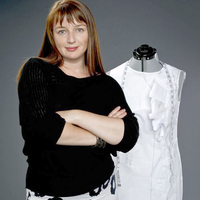
Founded in the late 2010s, Tailornova emerged from the vision of CEO Yuliya Raquel and her team to revolutionize fashion design through technology[4]. The idea originated from recognizing the inefficiencies and environmental impact of traditional fashion supply chains, where design and development stages are the longest bottlenecks, often lasting 6 to 9 months[4]. Early traction came from the platform’s ability to automate complex garment development steps with a patent-pending system that integrates AI, machine learning, and anthropometric data to generate custom patterns and 3D samples instantly[2][4]. This breakthrough enabled Tailornova to grow its user base to over 210,000 pattern users and offer more than 40 billion design possibilities[2].
Core Differentiators
- AI-Driven Automation: Tailornova’s platform automates the entire fashion design pipeline from sketch to production-ready patterns, saving up to 90% of time and 95% of costs compared to traditional methods[1].
- 3D Visualization & Custom Fit: Users can instantly preview designs in realistic 3D, with patterns custom-fitted to any body shape or size using parametric and anthropometric algorithms[2][4].
- Speed and Scalability: Designs and technical documentation are generated in seconds, enabling brands to launch collections rapidly and scale on-demand manufacturing[1][2].
- User Diversity: Tailornova serves a wide range of users from DIY sewing communities and fashion students to apparel brands and specialty manufacturers, supporting bespoke and mass customization models[2][3].
- Seamless Integration: The platform supports direct pattern printing, laser cutting, and integration with CAD systems, facilitating streamlined production workflows[2].
Role in the Broader Tech Landscape
Tailornova rides the convergence of AI, 3D modeling, and on-demand manufacturing trends transforming the fashion industry. The timing is critical as brands face increasing pressure to reduce waste, shorten supply chains, and meet consumer demand for personalized products[1][4]. By automating design and development, Tailornova helps dismantle traditional barriers of time, cost, and complexity, enabling a shift toward sustainable, agile, and customer-centric fashion ecosystems. Its technology also supports the rise of virtual fashion and digital garment sampling, aligning with broader digital transformation in retail and manufacturing[4].
Quick Take & Future Outlook
Looking ahead, Tailornova is poised to deepen its impact by expanding AI capabilities, enhancing integration with manufacturing automation, and broadening its community ecosystem. Trends such as mass customization, sustainability mandates, and digital fashion experiences will continue to drive demand for instant, manufacturable designs. Tailornova’s ability to democratize fashion design and accelerate product cycles positions it as a key enabler of the industry’s evolution toward smarter, more responsive supply chains. Its influence will likely grow as more brands adopt AI-driven workflows to compete in a fast-changing market, making fashion design more accessible, efficient, and sustainable.