Loading organizations...

§ Private Profile · San Francisco, CA, USA
We're building an AI-enabled toolkit to keep you sober, for the 1.2 billion humans who struggle with addiction. based in San Francisco, California...
Key people at Sunflower.
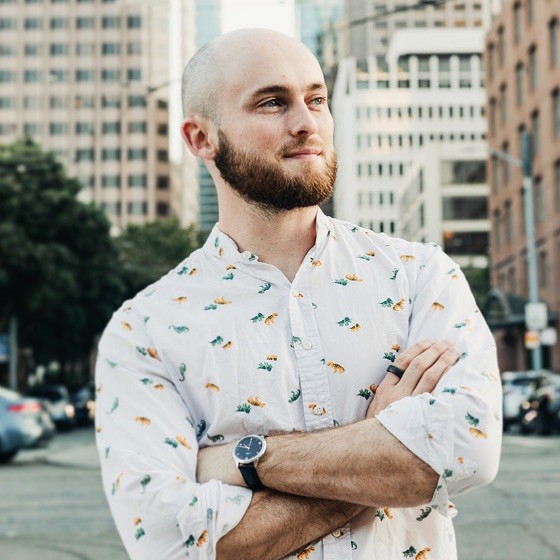
Sunflower was founded in 2024 by Koby Conrad (CEO & Founder).
We're building an AI-enabled toolkit to keep you sober, for the 1.2 billion humans who struggle with addiction.
Addiction is one of the great problems humanity faces, there are literally billions of humans locked behind their addictions being prevented from achieving their true potential. We're building the ultimate toolkit to help keep you sober. Sunflower combines Visual Progression Tracking, an AI Sponsor, CBT-based journaling exercises, and world-class educational content. For the first time thanks to AI - technology is capable of being more powerful than a human therapist or sponsor. Our product has already helped keep tens of thousands of people sober, supporting over 3,000,000+ days of sobriety, and saving countless lives. We're going to build the worlds most effective solution to addiction, and then we're going to put it into the hands of a billion people.
Key people at Sunflower.
Sunflower was founded in 2024 by Koby Conrad (CEO & Founder).
We're building an AI-enabled toolkit to keep you sober, for the 1.2 billion humans who struggle with addiction.
Addiction is one of the great problems humanity faces, there are literally billions of humans locked behind their addictions being prevented from achieving their true potential. We're building the ultimate toolkit to help keep you sober. Sunflower combines Visual Progression Tracking, an AI Sponsor, CBT-based journaling exercises, and world-class educational content. For the first time thanks to AI - technology is capable of being more powerful than a human therapist or sponsor. Our product has already helped keep tens of thousands of people sober, supporting over 3,000,000+ days of sobriety, and saving countless lives. We're going to build the worlds most effective solution to addiction, and then we're going to put it into the hands of a billion people.