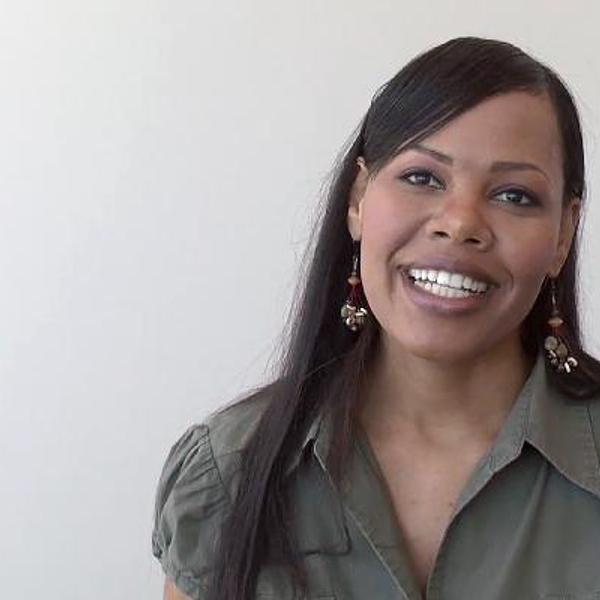
Direct answer: Mariah Lichtenstern is an individual — a founder and investor — rather than a standalone company; she is best known as a founding partner of DiverseCity Ventures (an impact‑oriented micro‑VC) and for founding startups such as Cineshares, plus leadership roles (Managing Director) with the Founder Institute’s Sacramento chapter[4][1][3].
High‑Level Overview
- Mission (for Mariah’s primary firm, DiverseCity Ventures): to invest with an explicit focus on diversity, equity, and environmental, social, and governance (ESG) outcomes — summarized on DiverseCity’s site as pursuing triple‑bottom‑line results (people, profits, planet) and “capitalizing on diverse perspectives.”[4]
- Investment philosophy: early‑stage, impact‑oriented micro‑venture investing that emphasizes inclusion and ESG as part of value creation (DiverseCity positions itself as delivering alpha via ethical and operational excellence).[4]
- Key sectors: DiverseCity’s public materials emphasize climate/clean energy, social impact and inclusive entrepreneurship; Mariah’s background also includes film/marketplace startups (Cineshares) and community/accelerator leadership that suggests a focus on creative industries and mission‑driven tech[4][1].
- Impact on the startup ecosystem: through investing, accelerator leadership (Founder Institute — Sacramento chapter), teaching and advisory roles, Mariah promotes founder diversity, local ecosystem development in Sacramento and Northern California, and links between clean‑tech/climate and inclusive venture capital[3][1][2].
Origin Story
- Founding year and evolution (firm): DiverseCity Ventures’ site profiles Mariah as a founding partner but does not list a precise incorporation year on the pages cited; the firm grew from an explicit mission to center diversity and ESG in early stage investing and engage in policy and thought leadership alongside capital deployment[4].
- Personal backstory (Mariah Lichtenstern): Mariah is an alumna of UC Berkeley, USC and UCLA and has combined startup founding and investing — she founded Cineshares (a motion picture marketplace) and later co‑founded and became Managing Partner at DiverseCity Ventures, while serving as Managing Director for the Founder Institute’s Sacramento chapter[4][1][3]. Early visible traction includes media and ecosystem engagement (podcast interviews, accelerator programming) and teaching/mentorship roles (General Assembly instructor listing)[1][2].
Core Differentiators
- Unique investment model: micro‑VC focused on *impact + diversity* (triple‑bottom‑line approach) rather than purely financial returns, positioning ESG at the foundation of deal selection[4].
- Network strength: active in regional accelerator leadership (Founder Institute — Sacramento) and teaching/mentorship networks (General Assembly, community platforms), giving access to early‑stage deal flow and local founder pipelines[1][2][3].
- Track record / operating support: combines operator experience (founder of Cineshares) with investing and advisory roles (advises California Clean Energy Fund and shows emphasis on operational/ethical support for portfolio companies)[4][1].
- Community & visibility: engages in local ecosystem building (podcasts, events) which amplifies founder outreach and inclusive programming[1].
Role in the Broader Tech Landscape
- Trend alignment: rides two durable trends — (1) increasing LP and founder demand for impact/ESG‑aware investing, and (2) greater attention to founder diversity and geographically distributed startup ecosystems beyond major coastal hubs. DiverseCity’s positioning directly addresses both.[4][1]
- Why timing matters: LPs and corporates are allocating more to climate and social impact strategies while accelerators and micro‑VCs are filling gaps in under‑served regional markets (e.g., Sacramento), increasing opportunities for early entry and relationship‑driven sourcing[3][1].
- Market forces in their favor: policy focus on clean energy and growing philanthropy/impact capital, combined with a talent pool from large California universities, supports pipeline for DiverseCity’s thesis[4].
- Influence: through capital, mentorship and accelerator leadership, Mariah and DiverseCity can help more underrepresented founders access funding and scale, nudging local ecosystems toward inclusive growth and more ESG‑aligned startups.
Quick Take & Future Outlook
- Near term: expect continued emphasis on early‑stage investments that meet diversity and ESG criteria, plus ongoing ecosystem activity (Founder Institute programming, teaching, advisory roles) to source and support founders[4][1][3].
- Medium term trends that will shape progress: availability of impact LP capital, regulatory and policy support for clean energy, and the effectiveness of micro‑VCs in scaling repeatable follow‑on financing for portfolio companies. Success will depend on demonstrating exits or meaningful scale outcomes from portfolio companies.
- How influence might evolve: if DiverseCity or Mariah‑backed startups deliver visible outcomes (growth, exits, policy influence), their model could attract more capital and serve as a blueprint for niche, mission‑driven micro‑VCs in other regional ecosystems.
Notes, sources, and limits
- The above synthesis is based on public profiles and organization pages for Mariah Lichtenstern and DiverseCity Ventures, plus local ecosystem reporting (Founder Institute / StartupSac)[4][1][3][2]. Some operational details (exact founding year of DiverseCity Ventures, full portfolio and realized exits) were not provided on those pages and would require direct firm materials, press releases or regulatory filings to confirm. If you’d like, I can search for DiverseCity’s portfolio companies, fundraising history, or press coverage for specific deal examples.