Loading organizations...

§ Venture Capital · USA
A committee of founders providing guidance and support for new ventures and startups, focusing on their development and growth.
Founders Committee is a private organization operating in an undisclosed sector, with its primary business activities and headquarters location currently remaining unannounced to the general public. As an entity maintaining a strictly confidential corporate profile, the organization has not disclosed specific operational metrics, including total funding raised, current valuation, assets under management, or employee headcount. Furthermore, there are no publicly available records detailing institutional venture capital backers, lead investors, strategic corporate partnerships, or a verified roster of enterprise customers associated with the firm. Industry databases and regulatory filings currently lack substantive documentation regarding the core business model, proprietary technology, or long-term strategic objectives driving the enterprise forward in the broader commercial market. The exact founding year and the identities of the original founding team members behind Founders Committee remain undisclosed at this present time.
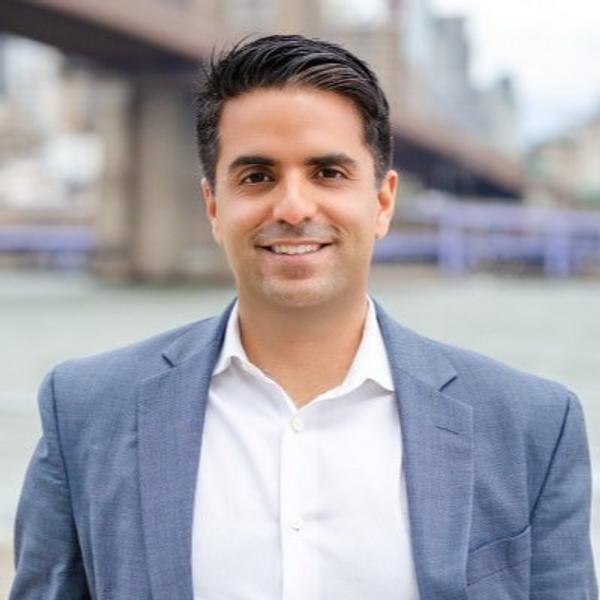
Key people at Founders Committee.
A Founders Committee is a strategic group typically composed of experienced entrepreneurs, startup founders, and sometimes investors or advisors, convened to provide guidance, mentorship, and collective wisdom to early-stage companies or within a venture capital ecosystem. Its mission centers on fostering founder success by sharing practical insights, navigating challenges, and accelerating growth through peer learning and support. The committee often operates with a philosophy rooted in founder-first principles, emphasizing resilience, innovation, and long-term value creation. Key sectors may include technology, SaaS, fintech, and consumer startups, where founder experience is especially critical. By connecting founders with seasoned peers, the Founders Committee plays a vital role in strengthening the startup ecosystem, reducing failure rates, and amplifying the impact of entrepreneurial ventures.
The concept of a Founders Committee emerged from the recognition that while capital and mentorship are essential, there is unique value in structured peer-to-peer exchange among founders who have faced similar challenges. Many such committees were established by venture capital firms, accelerators, or founder networks in the early 2010s, as the startup landscape became more crowded and competitive. Early adopters included top-tier VC firms and incubators seeking to differentiate their value proposition beyond funding. The committee evolved from informal founder dinners and advisory boards into formalized programs, often led by serial entrepreneurs or former founders who had scaled companies successfully. Over time, these groups became institutionalized, with rotating membership and curated agendas focused on real-time founder pain points.
The Founders Committee model reflects a broader trend toward collaborative entrepreneurship, where success is increasingly seen as a team sport rather than a solo journey. In an era of rapid technological change and market volatility, founders benefit from shared experiences and collective problem-solving. The timing is especially relevant as first-time founders outnumber veterans, and the cost of failure remains high. Market forces—such as the rise of remote work, distributed teams, and global competition—have amplified the need for trusted peer networks. By institutionalizing founder support, these committees help democratize access to wisdom, reduce isolation, and elevate the overall quality of startup leadership.
Looking ahead, the Founders Committee model is likely to expand beyond VC-backed startups into corporate innovation, nonprofit ventures, and even public sector entrepreneurship. As AI and automation reshape how startups operate, the human element of peer support will become even more valuable. Committees may leverage technology to scale their reach, offering virtual mentorship and data-driven insights. Their influence will grow as more organizations recognize that founder resilience is a key driver of innovation. Ultimately, the Founders Committee stands as a testament to the power of community in shaping the future of entrepreneurship—turning individual journeys into collective triumphs.
Key people at Founders Committee.