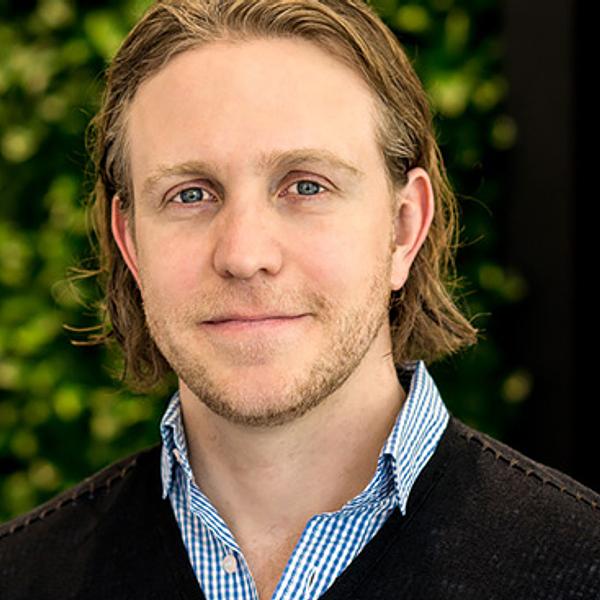
Clarium Capital Management, LLC is a global-macro hedge fund founded by Peter Thiel that historically ran concentrated macro bets across currencies, commodities, fixed income and equities and at its peak managed multi‑billion dollars before shrinking after large drawdowns and redemptions in 2008–2010[1][3].[2]
High‑Level Overview
- Mission: Clarium positioned itself as a macro-focused investment manager aiming to “make sense of an extraordinary moment in time” and to profit from large global macroeconomic dislocations through directional and thematic bets[2][3].[2][3]
- Investment philosophy: The firm pursues a global‑macro strategy, emphasizing fundamental conviction about macro trends (rates, currencies, commodities, liquidity) and implementing concentrated, directional positions across public equities, fixed income, currencies, commodities and distressed assets[1][3].[1][3]
- Key sectors: Clarium historically traded across broad market sectors rather than sector-specific venture verticals, with notable allocations to currencies (dollar positions), commodities, bonds and micro‑cap or distressed equities when opportunities appeared[1][3].[1][3]
- Impact on the startup ecosystem: While primarily a hedge fund, Clarium’s founder Peter Thiel channeled capital and talent into the tech/startup ecosystem through separate vehicles (e.g., Founders Fund) and personal investments; Clarium itself influenced markets through large macro positions rather than direct startup support[2].[2]
Origin Story
- Founding year and founder: Clarium Capital Management was founded in 1998 by Peter Thiel shortly after his success with PayPal; Thiel reportedly started the fund from modest beginnings before scaling it into a multi‑billion dollar macro hedge fund[2][1].[2][1]
- Key partners and evolution: In its early years Clarium staffed a team of macro traders and grew AUM aggressively in the mid‑2000s, peaking with billions under management as strong macro calls in 2007 produced standout returns; however, large volatility and poor positioning in late 2008–2009 led to significant losses and subsequent redemptions that reduced the firm’s scale and shifted focus toward managing smaller pools of capital[3][4].[3][4]
- Evolution of focus: The firm remained a global macro manager throughout but altered position size and risk management after the 2008 performance swings, reflecting a move from rapid AUM growth to a more restrained deployment of capital[3].[3]
Core Differentiators
- Unique investment model: Concentrated global‑macro approach that combined thematic fundamental scenarios (e.g., dollar weakness, deleveraging risks) with aggressive directional trading across asset classes rather than diversified, hedge‑heavy strategies[3].[3]
- Track record: Delivered exceptional returns in certain periods (notably early 2008) that attracted large inflows, but also experienced sharp monthly losses and overall high volatility that precipitated rapid outflows—creating a performance profile of high upside and high risk[3][4].[3][4]
- Network strength: Founder Peter Thiel’s prominence in tech and finance expanded Clarium’s access to market intelligence and deal flow across public and private markets, though much of his direct startup investing occurred via other vehicles like Founders Fund[2].[2]
- Operating support: As a hedge fund Clarium’s differentiated value was active macro research and scenario building rather than operational support to operating companies[1][3].[1][3]
Role in the Broader Tech & Financial Landscape
- Trend alignment: Clarium rode and bet on major macro trends of the 2000s—credit cycles, dollar moves, commodity volatility and deleveraging risks—which were especially salient around the 2007–2009 financial crisis[3].[3]
- Timing importance: The firm’s success in early 2008 illustrated the payoff to correctly timing macro inflection points; conversely, its late‑2008 losses showed the danger of concentrated positioning amid extreme market dislocations and liquidity shocks[3][4].[3][4]
- Market forces in its favor: Large informational advantages and founder capital allowed Clarium to scale quickly when its calls were right, amplifying returns during favorable regimes[2][4].[2][4]
- Influence on ecosystem: While not a primary startup investor, Clarium and Thiel’s broader activities spotlighted the crossover between tech entrepreneurship and macro investing, and Thiel’s prominence helped channel talent and capital from PayPal alumni into venture ecosystems[2].[2]
Quick Take & Future Outlook
- What’s next: Public reporting shows Clarium scaled back from its peak; without recent public disclosures of a large fund relaunch, the firm today is best understood as a historically important global‑macro vehicle tied to Peter Thiel’s early post‑PayPal investing legacy rather than a current large active allocator like in the 2000s[1][3].[1][3]
- Trends that will shape trajectory: Continued macro volatility, changing interest‑rate regimes and geopolitical risk create both opportunities and pitfalls for concentrated macro managers; success will depend on risk management, liquidity management and adaptability to fast‑moving markets[3].[3]
- Influence evolution: Clarium’s lasting influence is as an example of how a founder with technology entrepreneurship roots can build a macro hedge fund and affect capital flows—its peak performance and subsequent drawdowns are often cited in discussions about scale, concentration risk and the challenges of deploying very large sums in macro strategies[3][4].[3][4]
Quick take: Clarium remains notable for pioneering a founder‑led, tech‑influenced approach to global macro investing and for the sharp contrast between its outsized early returns and later volatility-driven contractions—lessons that continue to inform how allocators think about concentration, liquidity and the limits of conviction in macro investing[2][3][4].[2][3][4]