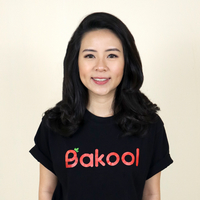
High-Level Overview
Bakool is a pioneering group buying platform focused on fresh produce in Indonesia's tier 2 cities, addressing an underserved market segment outside major urban centers. It leverages an agent network to enable customers to purchase fresh produce at prices cheaper than retail, with delivery services that enhance accessibility and convenience[1][2]. For an investment firm, Bakool represents a strategic play in the grocery retail and e-commerce sectors, particularly targeting emerging markets with high growth potential and fragmented supply chains.
As a portfolio company, Bakool builds a digital platform that aggregates demand for fresh produce, serving consumers in Indonesia’s smaller cities who face limited access to affordable, quality groceries. The platform solves the problem of high prices and limited availability by enabling group buying, which reduces costs through collective purchasing power. Bakool has demonstrated growth momentum since its founding in 2022, supported by seed funding and accelerator backing, including Y Combinator[2][6].
Origin Story
Bakool was founded in 2022 by Ivan Darmawan and Stephanie Wongsoredjo, who brought entrepreneurial and market insights into Indonesia’s grocery retail challenges. The idea emerged from recognizing the untapped potential in tier 2 cities where fresh produce supply chains are inefficient and consumers pay premium prices. Early traction came through pilot programs that validated the group buying model’s effectiveness in reducing costs and improving delivery logistics, which helped secure seed funding and rebranding from its initial name, Radius, to Bakool[2][6][7].
Core Differentiators
- Product Differentiators: First mover in group buying for fresh produce specifically targeting Indonesia’s tier 2 cities, a largely underserved market segment.
- Agent Network: Utilizes a decentralized agent network to facilitate group purchases and last-mile delivery, improving reach and affordability.
- Pricing Advantage: Enables customers to buy fresh produce cheaper than traditional retail by aggregating demand and optimizing supply chain costs.
- User Experience: Simplifies access to fresh groceries through a mobile platform tailored to local market needs.
- Growth Support: Backed by Y Combinator and seed investors, providing operational and strategic support to scale rapidly[1][2][6].
Role in the Broader Tech Landscape
Bakool rides the wave of digital transformation in emerging markets, where e-commerce and last-mile logistics are rapidly evolving. The timing is favorable due to increasing internet penetration, growing middle-class populations in tier 2 cities, and rising demand for affordable fresh food. Market forces such as fragmented supply chains, high retail markups, and consumer willingness to adopt digital platforms work in Bakool’s favor. By addressing these challenges, Bakool contributes to the modernization of Indonesia’s grocery ecosystem and sets a precedent for similar models in other emerging markets[1][2][6].
Quick Take & Future Outlook
Bakool is well-positioned to expand its footprint across Indonesia’s tier 2 and potentially tier 3 cities, leveraging its agent network and group buying model to capture a large, underserved market. Future trends shaping its journey include increased digital adoption in rural areas, improvements in logistics infrastructure, and growing consumer preference for convenience and cost savings. As Bakool scales, it may influence the broader ecosystem by encouraging more startups to innovate in supply chain efficiency and localized e-commerce solutions, potentially attracting further investment and partnerships.
The company’s evolution from Radius to Bakool and its backing by prominent accelerators signal strong momentum and a clear vision to transform fresh produce retail in Indonesia’s emerging cities[6][7].